From blood transfusions in pursuit of longevity to neural implants embedded into human skulls, the human body has become a testing ground for technologies promising a longer, “better” life.
But what happens when the body is no longer merely enhanced — but harvested?
Billionaire Bryan Johnson is transfusing his son’s blood in pursuit of longevity. Neural implants developed by Elon Musk are already being embedded into human skulls. The human body has become a testing ground for technologies promising a longer, “better” life.
But what happens when the body is no longer merely enhanced — but harvested?
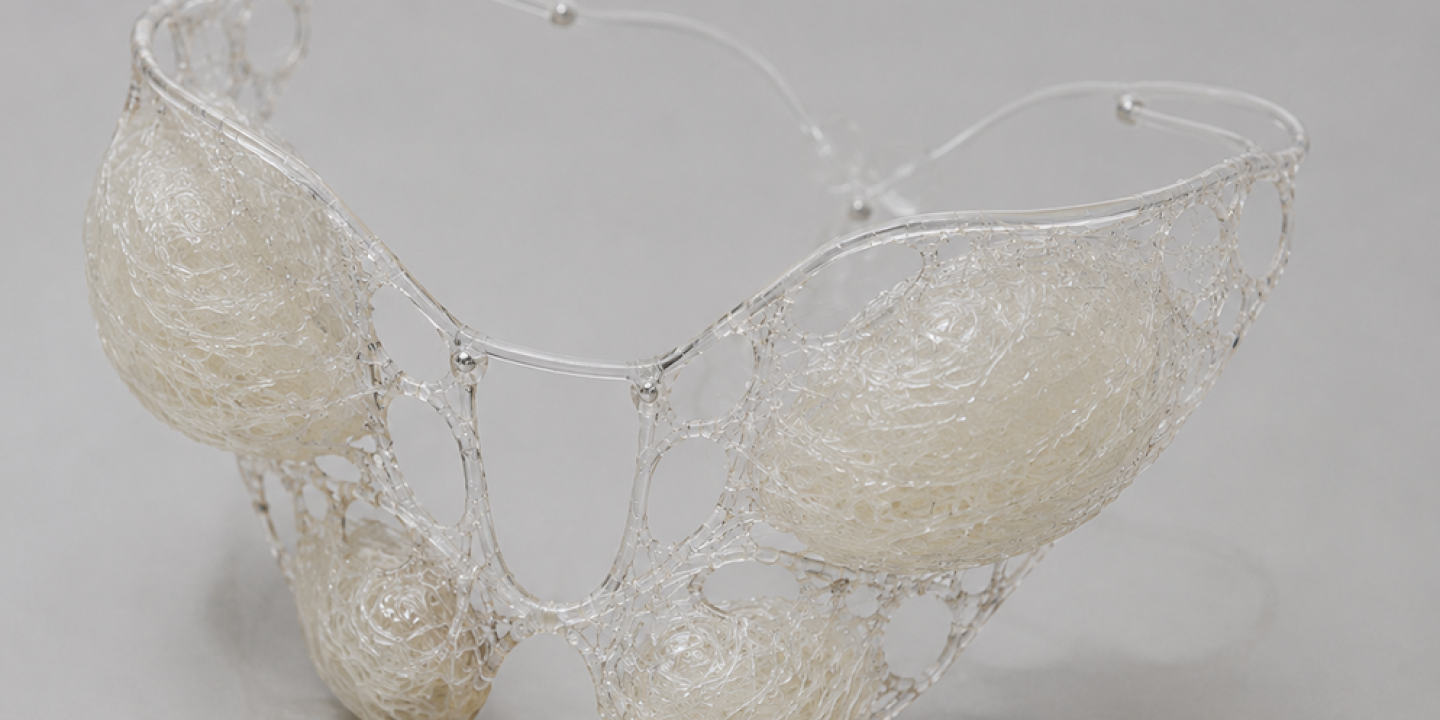
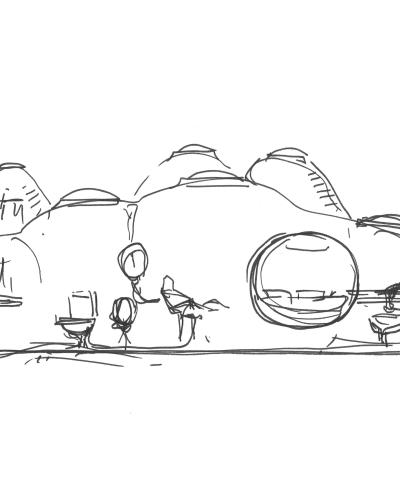
Human Nest is a bio art and speculative design project inspired by historical concepts of the “human body as medicine” found in the Compendium of Materia Medica, and by animal-derived medicinal substances in Chinese medical traditions. It imagines humans incorporating animal genes into their own tissues to produce medicinal materials, while extracorporeal prostheses harvest, preserve and process them into medicine.
What if human saliva became medicine? Bird’s nest, both a delicacy and traditional medicine, is made from the solidified saliva of edible-nest swiftlets. Human Nest imagines humans genetically modify their oral tissues with swiftlet genes, enabling their bodies to secrete viscous saliva that gradually solidifies into edible “human nests”.