The widespread vacancy is hard to reconcile with the current housing shortage, in which hundreds of thousands of people are looking for a suitable home. An Urban Nomad proposes an urban-nomadic way of living to repurpose long-term vacant buildings.
A household on wheels
More than fifteen years ago, the Dutch Squatting and Vacancy Act was introduced: squatting was made illegal, and vacancy was to be regulated. The fact that regulation is falling short becomes clear when one considers that almost 3% of all properties in the Netherlands are vacant, a figure that is often even higher in cities.
From personal experience, I have realised how much time and energy it takes to make a long-term vacant building habitable. An investment that is often lost when you move or are evicted. At the time, we worked around this by parking caravans in the hall where we lived. But because a caravan does not easily fit through the typical front door, I began exploring other ways of making it easier to settle into vacant buildings.
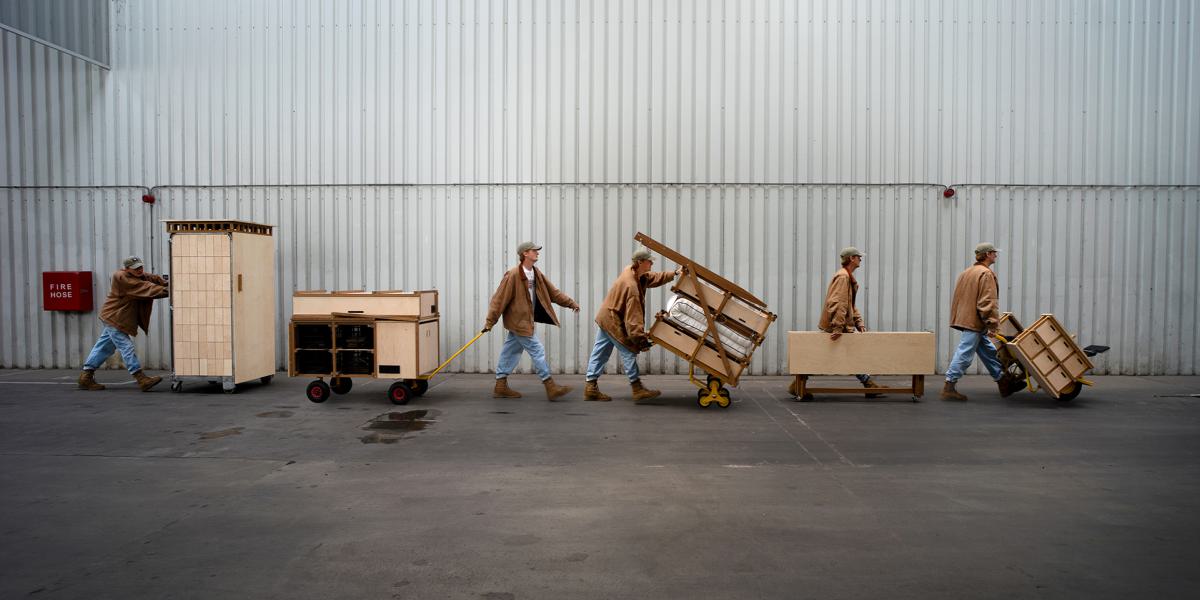
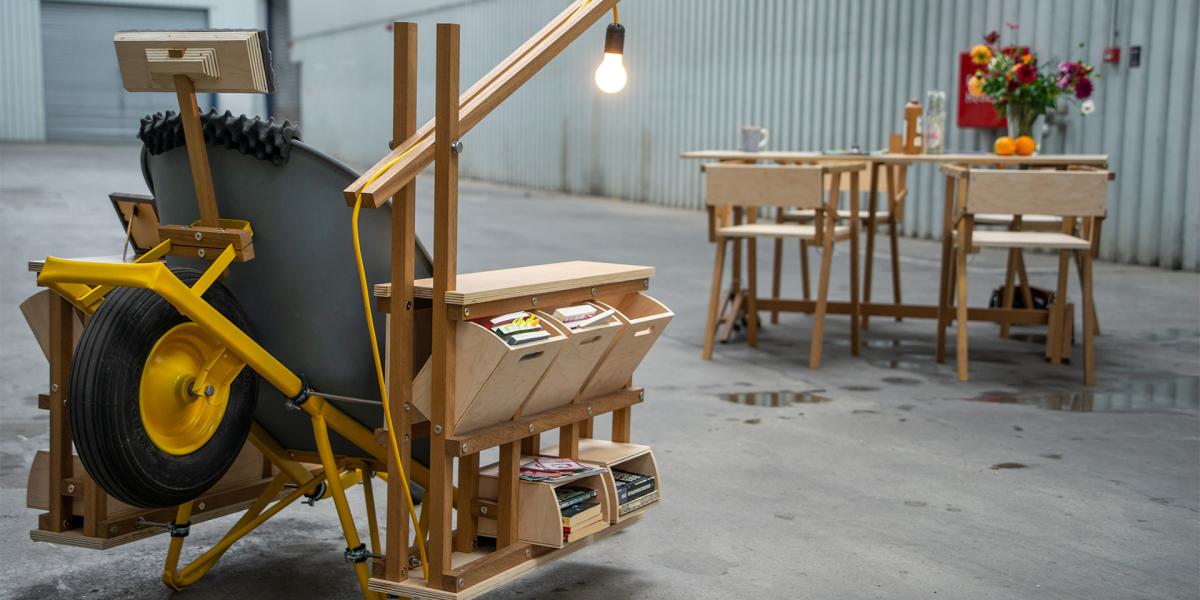
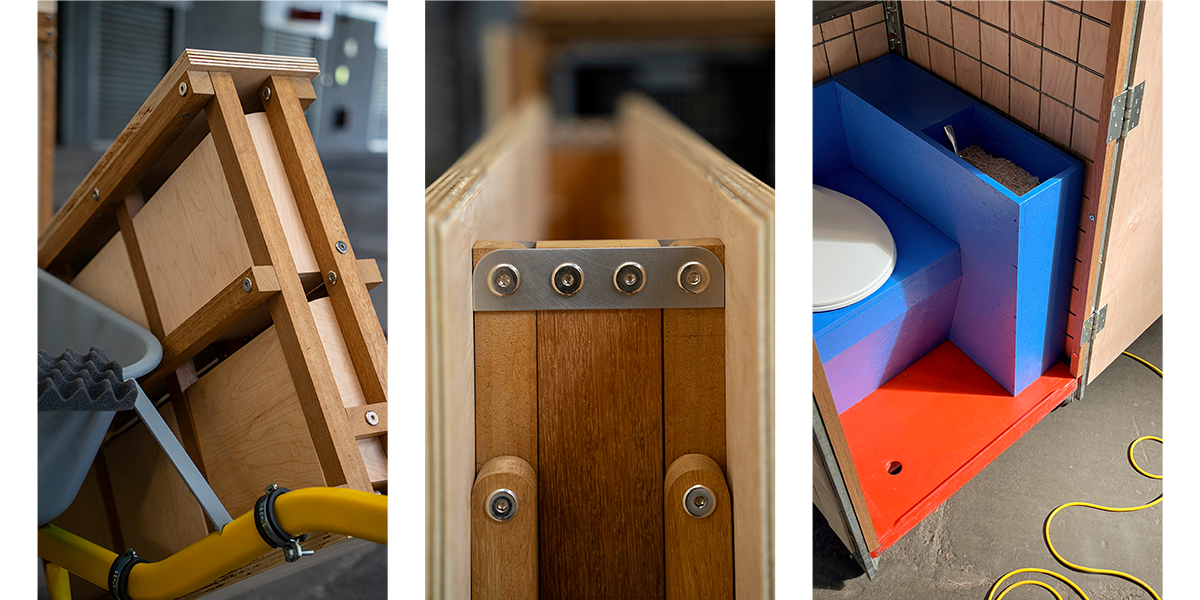
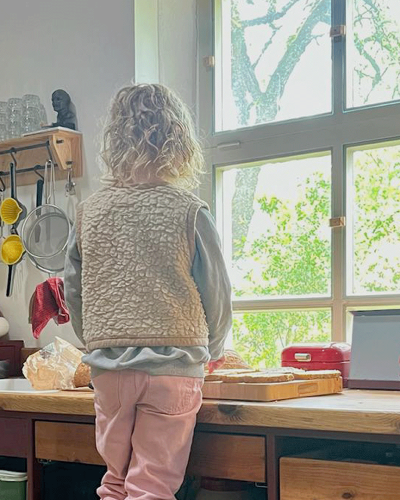
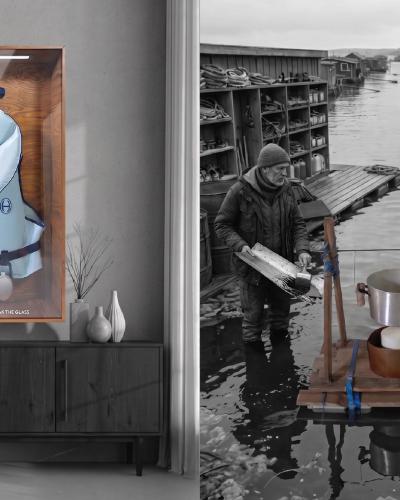
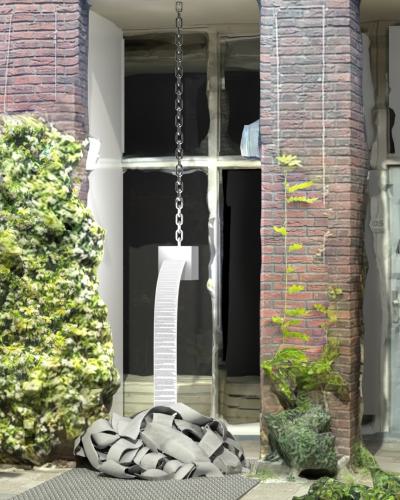
By breaking down the household and reducing it to five pieces of mobile, foldable furniture, I explored how to establish a sense of home for someone who has to move frequently. The combined furniture set forms a mobile, functional household equipped with the basic amenities. This makes the temporary nature of a dwelling less burdensome, as you can pack up, move and resettle in an instant. Provided, of course, that there is somewhere to go.
Mapping vacancy
And there should be: as hundreds of thousands of properties in the Netherlands are vacant, amounting to tens of millions of square metres of unused space. Almost half of these have been vacant for more than a year, yet knowledge about them remains fragmented. Neighbours may well notice a building in their area quietly falling into disrepair, but there is no comprehensive overview.
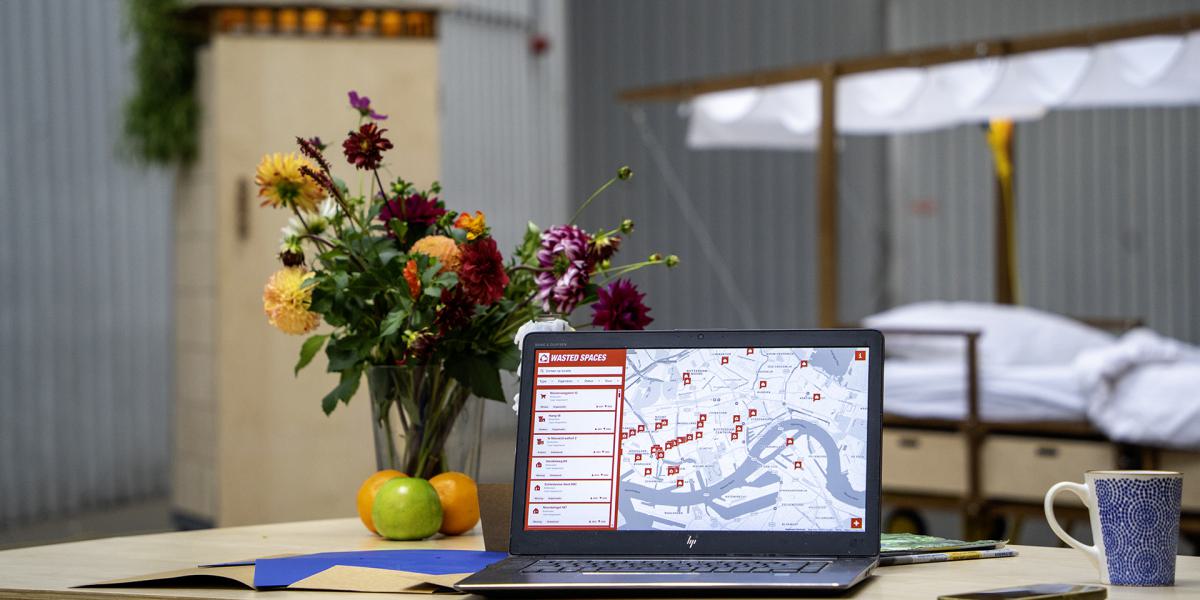
With this in mind, I developed Wasted Spaces together with Paco Pronk: an online platform at www.wastedspaces.org featuring a crowdsourced vacancy map where anyone can find, report and verify vacant properties.
In this way, all the dispersed knowledge about vacant buildings can be brought together into a single, accessible and transparent map, enabling people to act on this information and develop new initiatives. The map makes the scale of an otherwise abstract problem visible, discouraging further vacancy while encouraging efforts to resolve it. It offers a sustainable public tool that can be maintained by its users themselves, enabling people to monitor vacant properties more effectively.
Urban nomadic living
The combination of the online vacancy map and the mobile household facilitates a nomadic way of living through the vacant city. It makes it easier as a nomad to settle into and move between vacant buildings, while ensuring that investments of time, energy and money are not lost when relocating. Using the publicly available furniture plans and the vacancy map, nomads could contribute to bringing a significant proportion of the country's large-scale vacancy back into use in the short term.
This project is a constructive experiment that offers a different perspective on a pressing housing crisis. It presents space as a scarce resource, housing as a common resource and vacancy as a spatial resource. Rather than dictating a definitive solution, the project focuses on a methodological transformation of our living environment and on enabling people to have a say in how it is used.
An Urban Nomad is an open invitation to reconsider our relationship with housing, vacancy and ownership. It is a story about the opportunities vacancy presents when we look at it through a different lens.
Made possible with the support of the Creative Industries Fund NL.