"Waiting for the Bus" transforms the public space, a place characterized by anonymity, makeshift design, and poor quality of stay, into an inviting waiting environment full of character.
Waiting as a public act
We constantly encounter the state of waiting: people sit on steps, lean against walls, rest on railings, or stand along embankments. Whether waiting for a train, a bus, or a meeting with someone, spending time between two moments is a fundamental experience of urban life.
Despite its ubiquity, waiting is often associated with negative feelings. It is perceived as boring, unproductive, or even frustrating. Many places where waiting occurs reflect this perception: bus stops, train platforms, or simple park benches rarely offer more than basic functionality. In most cases, we simply tend to sit on the nearest staircase or lean against a wall, because the surrounding space is not intentionally designed to support or acknowledge the act of waiting.
The act of waiting receives little to no attention in the design of public space. Waiting areas often arise incidentally or remain largely unconsidered, and a deliberate engagement with the spatial qualities, atmosphere, and experience of waiting is rarely present.
Waiting at bus stops
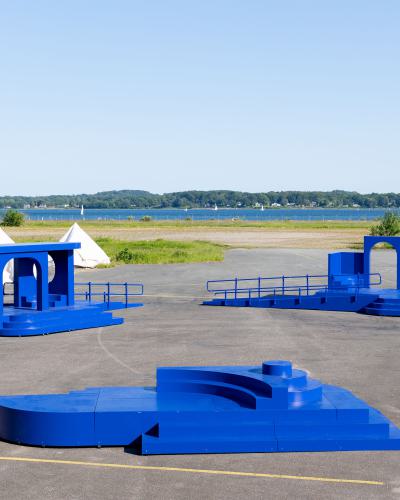
“Waiting for the Bus” transforms the temporary replacement bus stop, often anonymous, provisional, and lacking spatial quality, into an inviting and distinctive waiting environment.
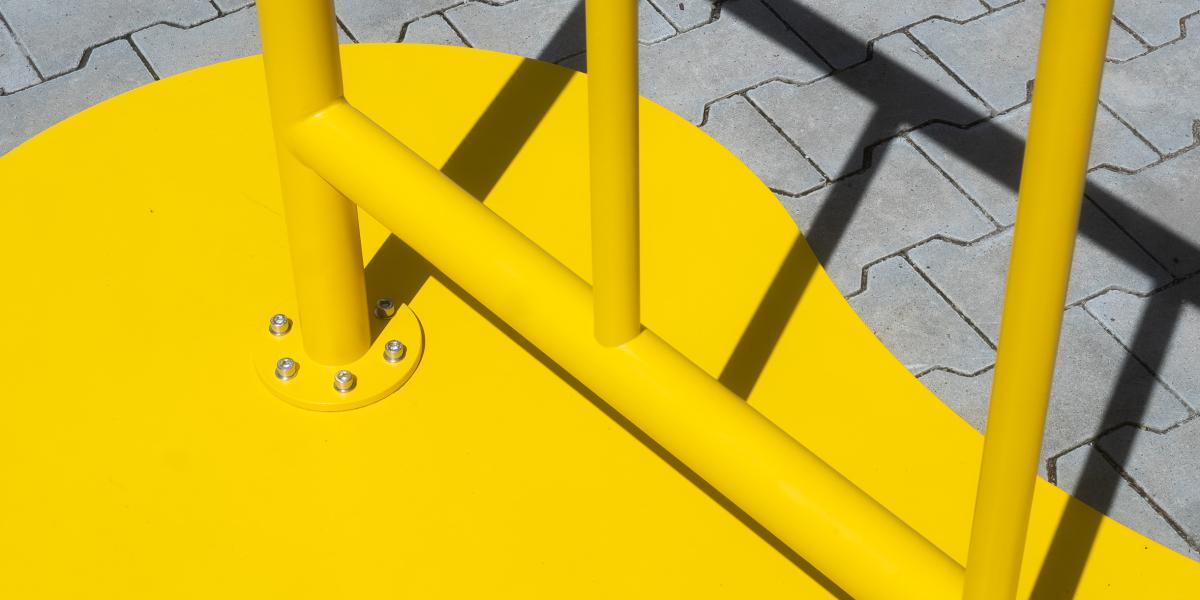
The steel tube objects create a playful and familiar space within an otherwise stressful urban setting. Each design interprets elements of the city where people naturally pause or wait. A bicycle rack becomes a seat, railings invite us to lean, and shopfront ledges become places to sit.
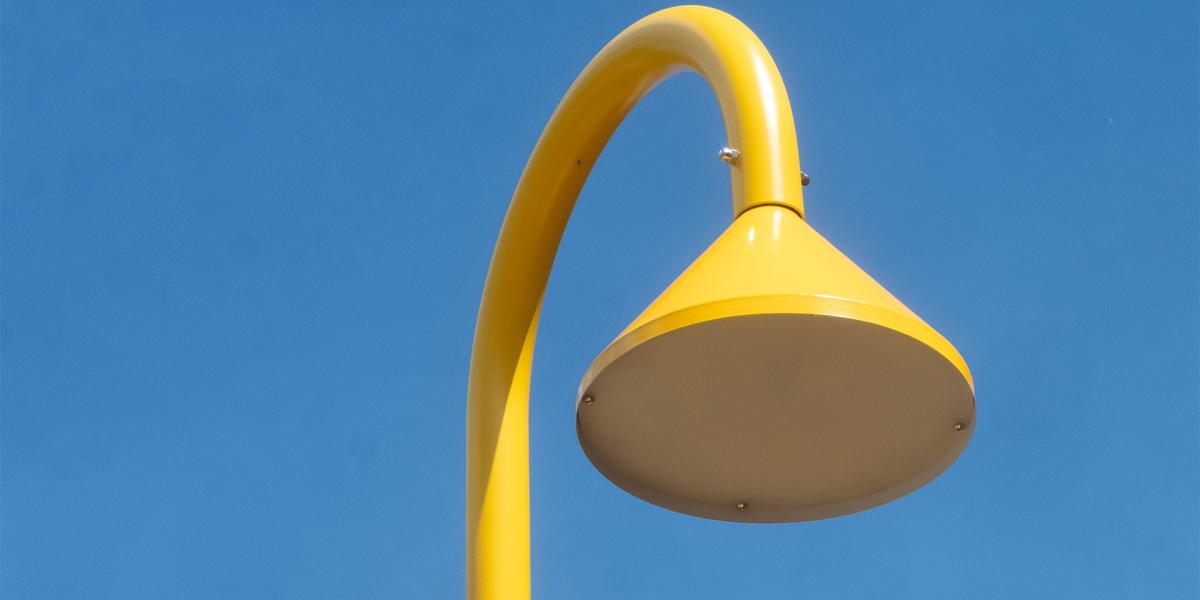
By extending the formal language of these familiar objects and adding light elements, they are placed in a new context. Their unintended role as informal places of waiting becomes visible through their transformation.
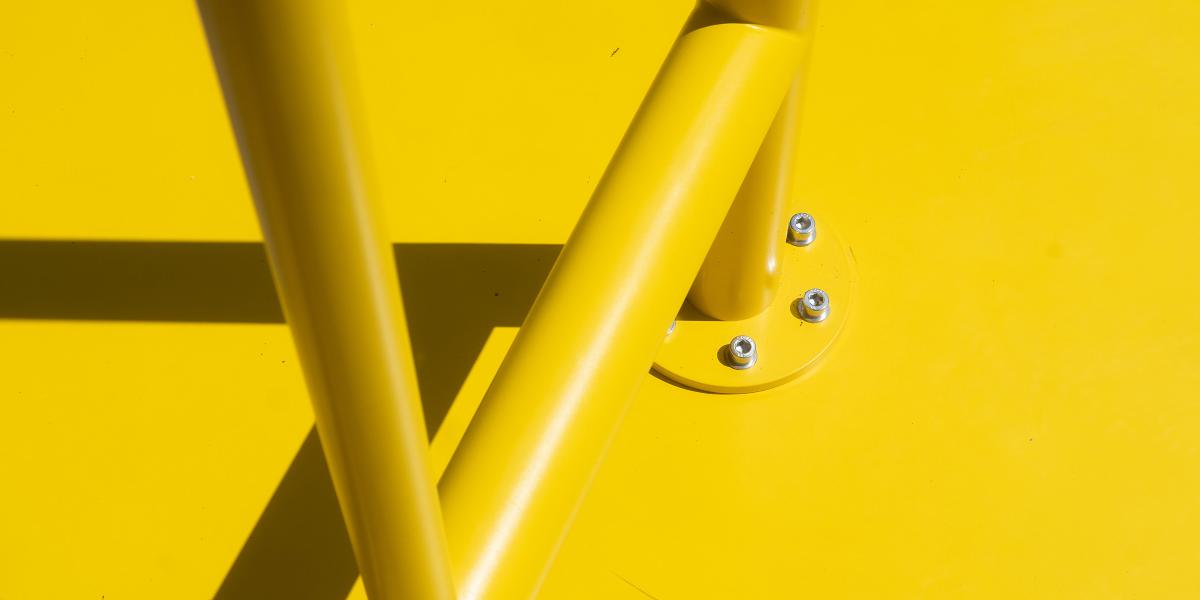
The objects can be freely arranged according to spatial requirements and surroundings. Bolted to aluminum base plates, the steel structures can be easily assembled, disassembled, and transported.
The installation reframes waiting as a meaningful part of everyday urban life, transforming ordinary city elements into playful and functional objects and turning a temporary transit point into a place with identity, atmosphere, and shared experience.
The value of waiting
The goal of the project is to make waiting visible and valued as an important part of everyday life. By recontextualizing familiar urban objects into consciously designed waiting furniture, waiting places are transformed into spaces that people deliberately choose, turning waiting itself into a positive and desirable action.
The project aims to raise awareness of the significance of waiting—the quiet moments, the pauses, the opportunity to catch our breath. When we have spaces that are intentionally designed and recognizable as places for waiting, it becomes clear how meaningful these moments are and how much they contribute to our well-being.
I want to invite everyone who longs for a pleasant, cozy, and approachable space to experience waiting differently. The objects provide a subtle, familiar feeling—people recognize the structures, but now in welcoming light and a more intimate design. Waiting, in the right environment, becomes an enjoyable and even desirable experience.
Through this work, the project also visualizes how we interact with and appropriate our surroundings, highlighting that thoughtfully designed public spaces can enhance the everyday experience and well-being.