As companies like Colossal seek to revive extinct animals, designer Shahar Livne explores the ethical and ecological implications through critical design objects made from actual 50,000-year-old mammoth bones, questioning the ethics of de-extinction.
Investigating the ethics of de extinction
For millennia, the mammoth has occupied a mythical space in human culture—from Ice Age folklore to modern promises of genetic resurrection. But is de-extinction ecological healing, or the ultimate act of human pride?
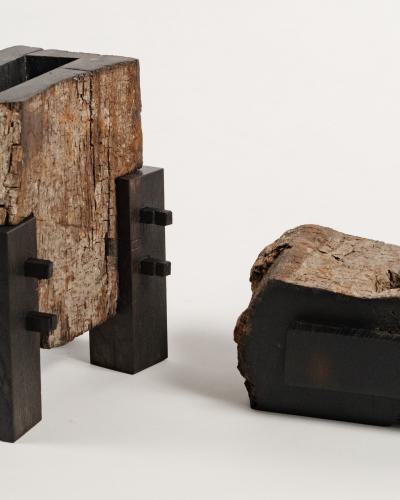
Hubris explores the myths surrounding mammoths and our changing relationship with nature. Designer Shahar Livne is practicing the ancient craft of carving and engraving bones directly onto authentic 50,000-year-old mammoth bone as a medium. Through this ancient canvas, intricate etchings contrast prehistoric legend with today’s techno-utopian drive to revive lost species.
By bridging paleontology, mythology, and bioethics, Hubris questions whether our drive to resurrect the past stems from genuine stewardship or an unexamined urge to master life. Should we rewrite natural history simply because we can?
The aim of this work in progress is to ultimately create, through tactile craftsmanship, objects that invite visitors to look beyond scientific hype, unpack our historic fascination with these giants, and reflect on the ethics of sculpting life in the Anthropocene.