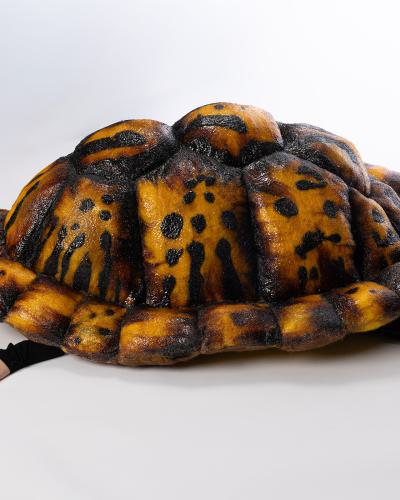
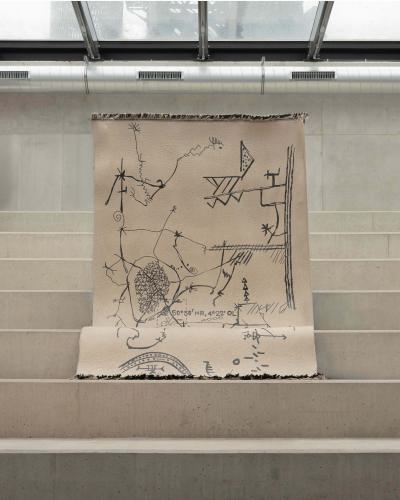
An immersive textile installation inspired by Yalda Night, an Iranian celebration of the winter solstice. Through natural dyeing and storytelling, pomegranate peels become textiles exploring memory, care, and invisible domestic labour.
After the Gathering
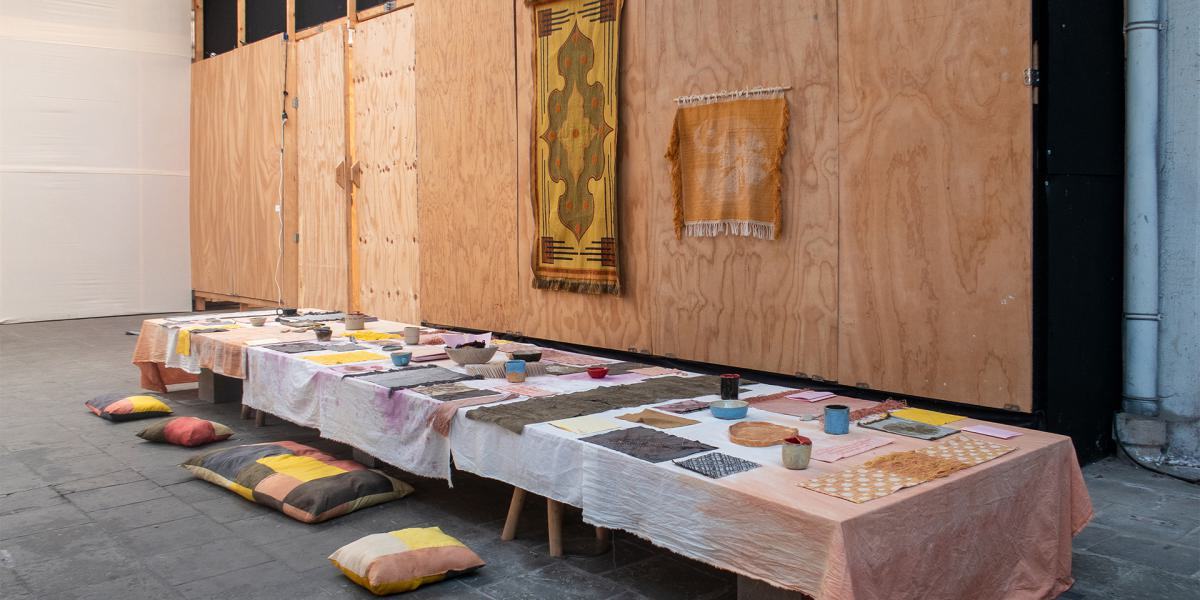
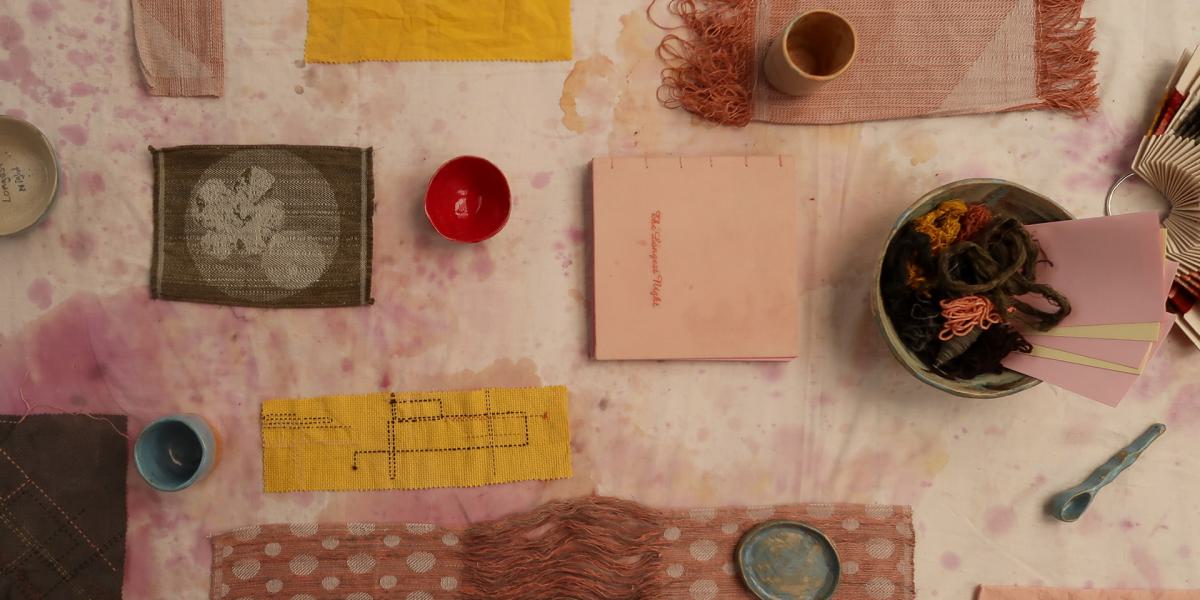
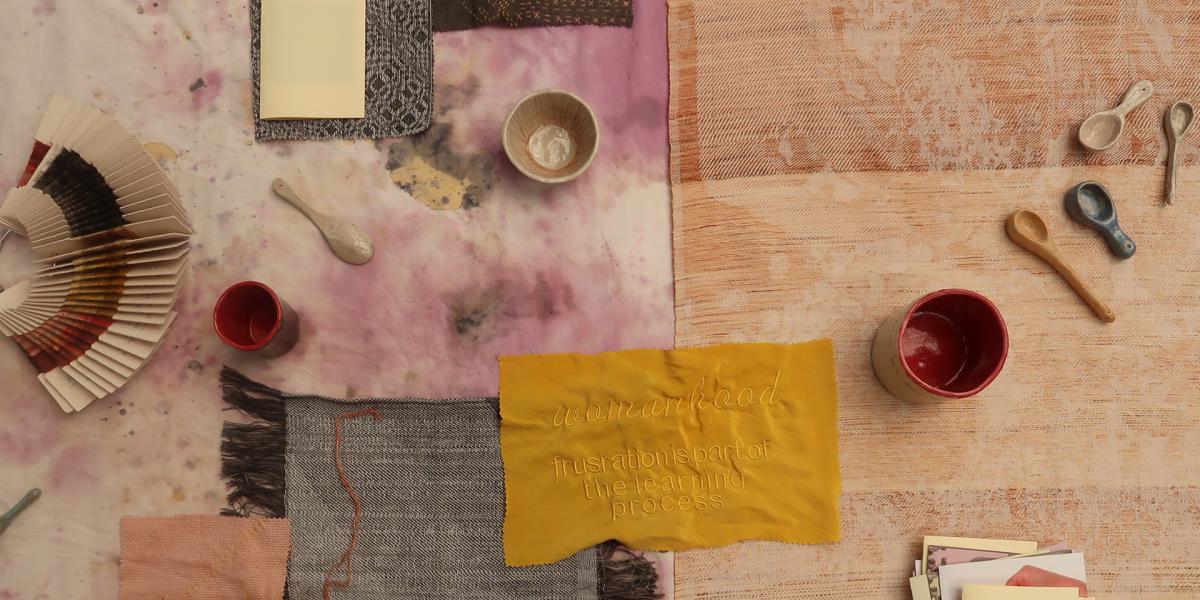
The installation presents a dining room in the aftermath of use. A table remains set, objects are carefully arranged, and traces of activity linger, yet the people who created this environment are absent. This absence draws attention to the gestures and time hidden within domestic life. Cooking, serving, cleaning, arranging, and preparing are often repetitive acts that disappear once they are completed. Here, textiles and objects become witnesses to these actions, holding the traces of hands, movement, and time. The domestic interior becomes not only a place of gathering, but also a space where invisible labour can be observed through what it leaves behind.
The Knowledge of Yalda
The project draws from memories of growing up in Iran and celebrating Yalda Night, when families gather on the longest night of the year. Preparing food is an important part of these gatherings, with recipes, techniques, and rituals passed between generations. At the centre of the work is the pomegranate, strongly associated with Yalda and with abundance, life, and togetherness. Yet behind the celebration is the often-unseen work of preparing the home and food. By working with pomegranate peels, a discarded part of this preparation becomes a material connection between cooking, care, cultural knowledge, and memory.
Stains of Memory
Through dyeing, stitching, weaving, and repetition, the project translates these everyday gestures into material form. Pomegranate peels are collected and transformed into colour, allowing something normally discarded to leave a lasting trace on fabric. The resulting textiles carry variations, stains, marks, and imperfections that cannot be completely controlled, much like memories themselves. Rather than treating textiles simply as functional objects, the project approaches them as living archives; objects capable of holding personal experiences while connecting them to shared histories, rituals, and forms of knowledge.