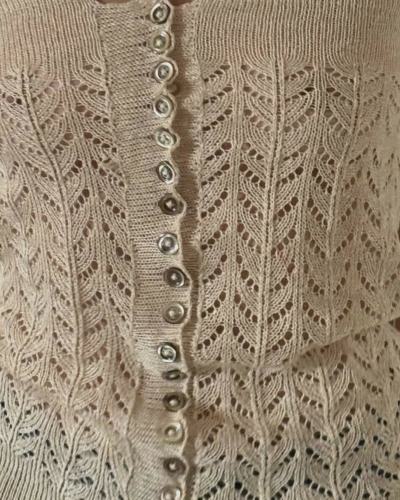
Artist Ralf Jacobs and the Queer Needlework Circle embroidered Alan Turing as a 180 × 130 cm guild banner, grown from his own pattern equations. Shown at FashionTechFarm and DayDayGay, it asks: where do our queer heroes hang?
Missing Heroes
Cities are full of statues, street names and banners for men who changed the world. Very few of them were openly queer — not because queer people didn’t change the world, but because their stories were edited out. Alan Turing broke the Enigma code, laid the foundations of the computer and wrote one of the first theories of how patterns form in living things. In 1952 he was convicted for being gay; two years later he was dead. This banner proposes a different canon: queer people who moved the world forward, revered in the same register as their straight counterparts. Turing is the first hero on it.
Grown, Not Drawn
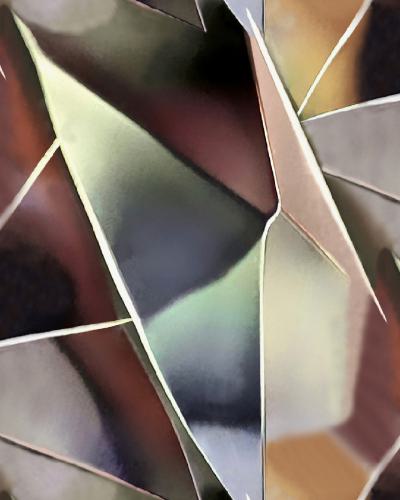
The portrait was not drawn. It was grown with the Gray-Scott reaction-diffusion model — a direct descendant of Turing’s own 1952 equations for how a leopard gets its spots. Two simulated chemicals spread and react across the surface until his face emerges as a field of spots, stripes and labyrinths. The pattern was printed onto fabric and then followed by hand, stitch by stitch: the mathematics of morphogenesis turned back into something made by hands.