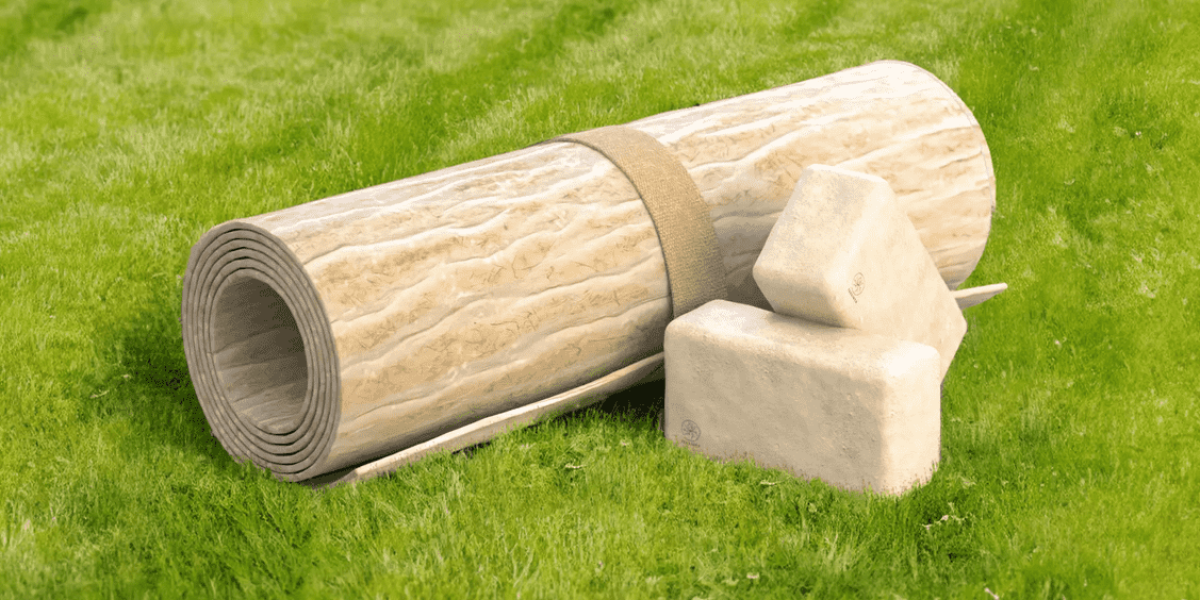
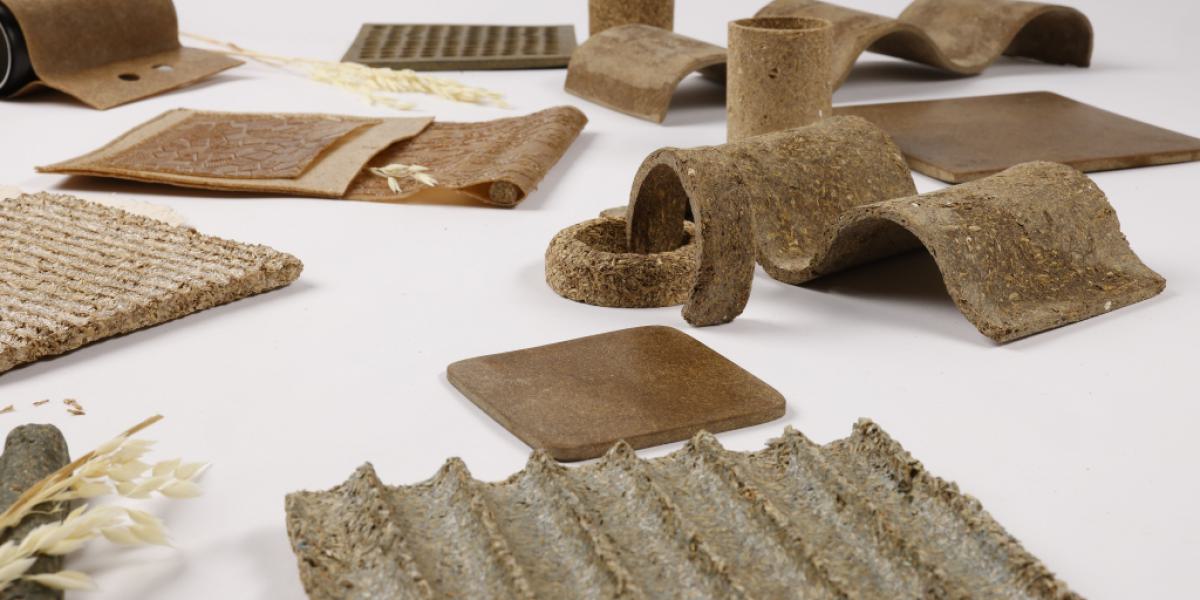
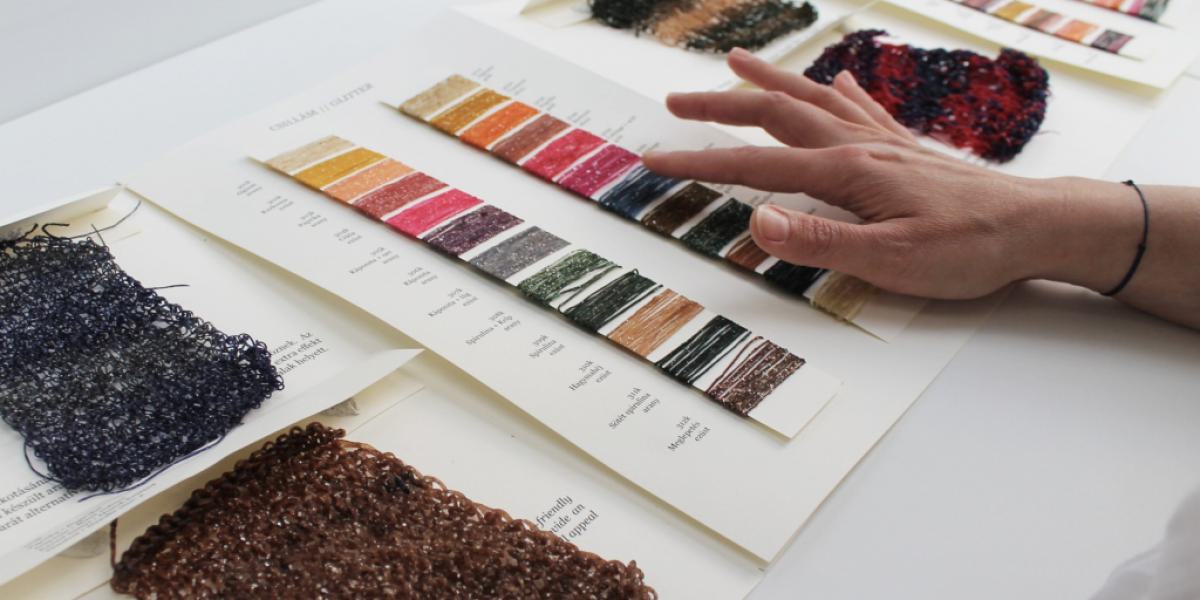
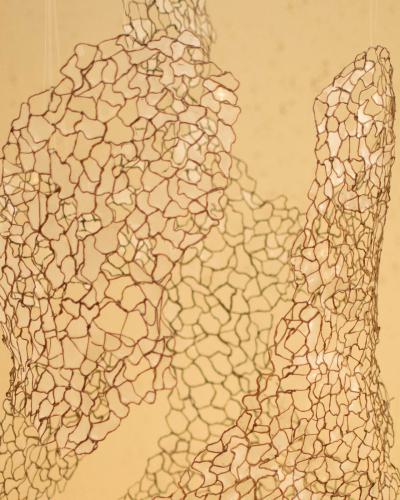
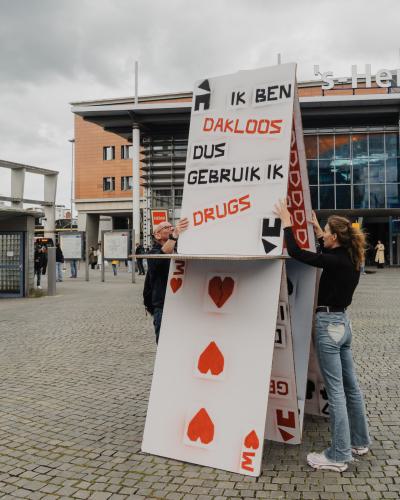
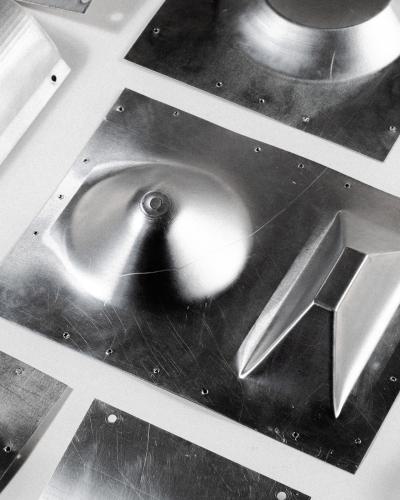
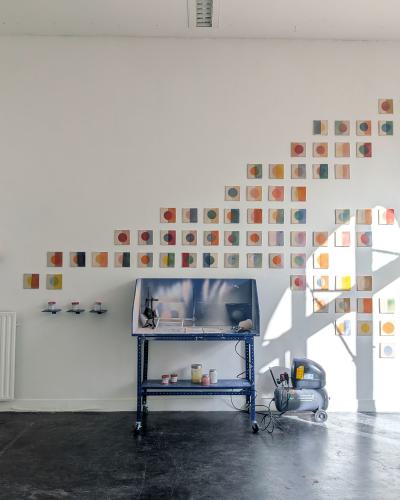
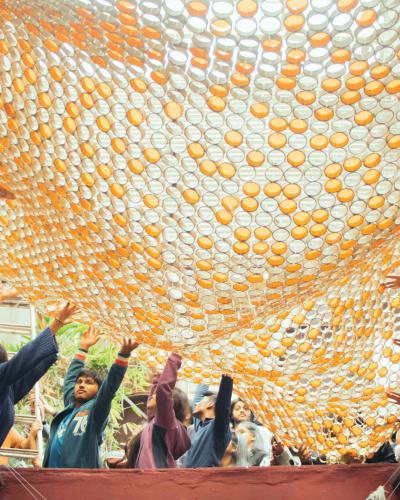
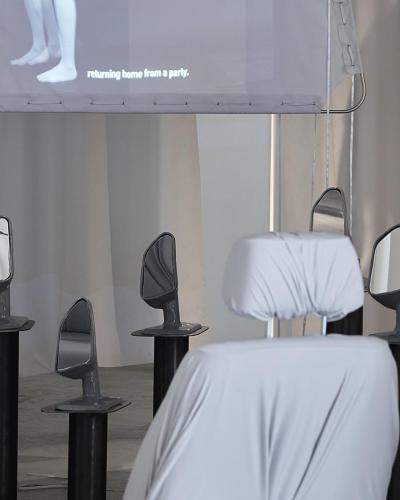
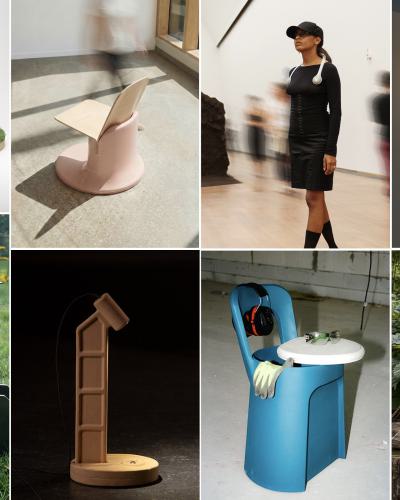
The works on display grew out of material research, designer maker, graphic design, and textile design processes developed through MOME’s thematic courses, and its MA diploma preparation, research, and incubation mentoring programmes.
Cross-disciplinary exchange and ethical, humane use of technology
Industrial by-products and waste streams are treated as valuable resources, as are new composites, colourants and materials designed to replace non-biodegradable materials or revolutionise 3D printing, allowing them to be incorporated into a circular economy model.
Through sensitive collaboration with nature, the projects explore new approaches to actively shaping a sustainable material culture, encouraging ecological transition, and examining the potential responsibilities of design practice.
New ways of addressing long-standing environmental problems and challenges
The presented projects open up creative possibilities for responding to individual user needs and for collaboration and demonstrate design strategies focused on the careful selection of raw materials, reducing material accumulation, and the utilisation of overlooked, forgotten, or underused renewable natural resources. They are reframing the dematerialising nature of information processing in digital environments.