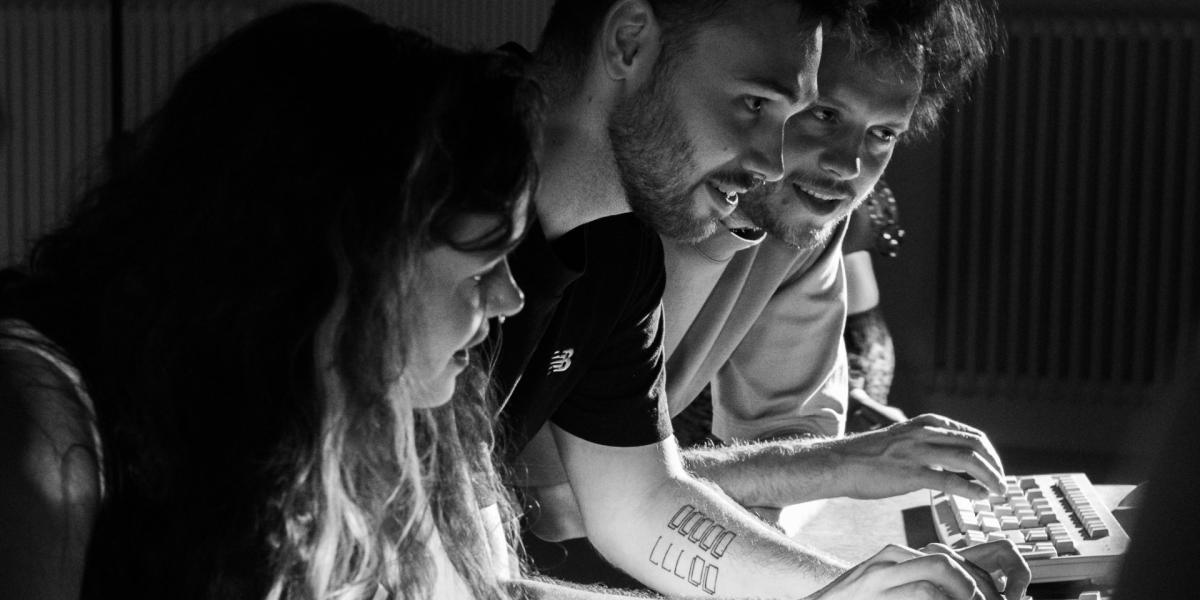
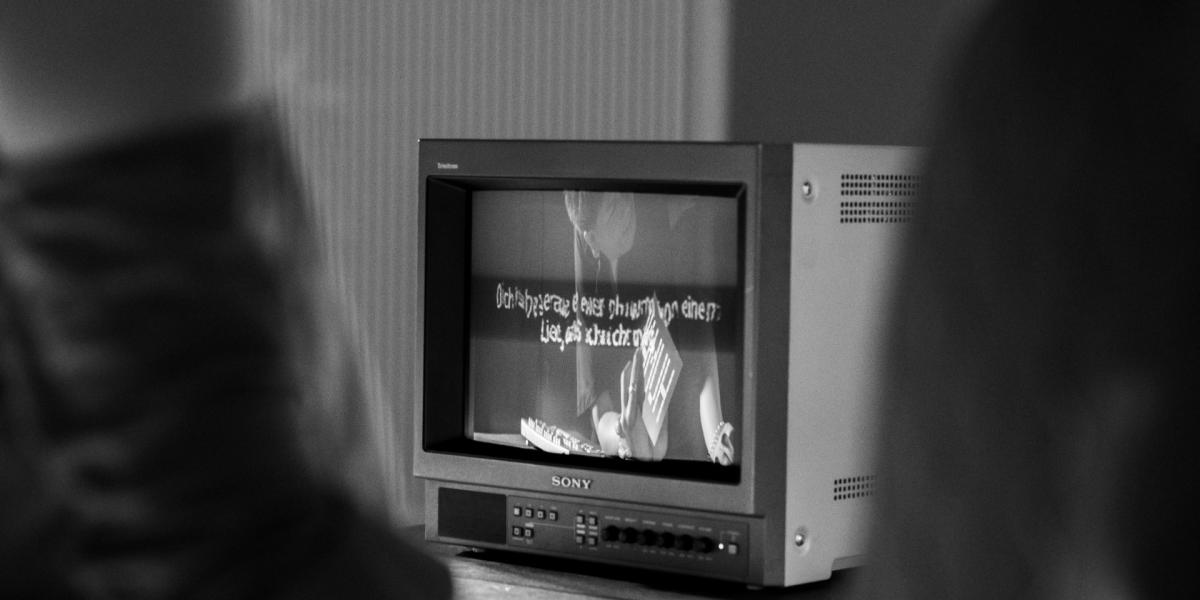
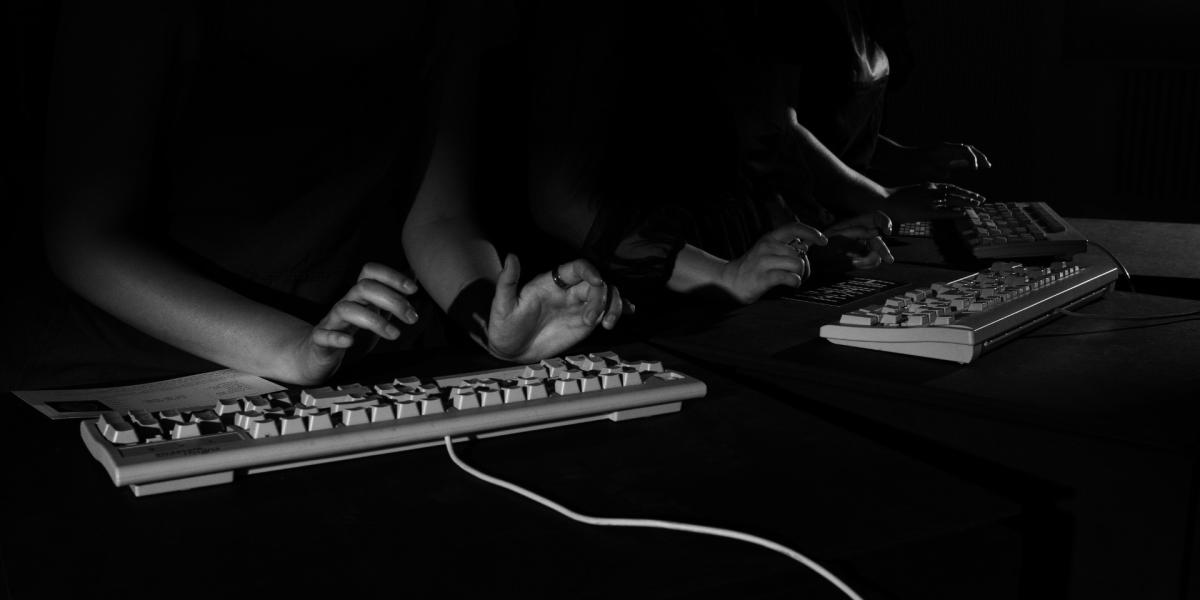
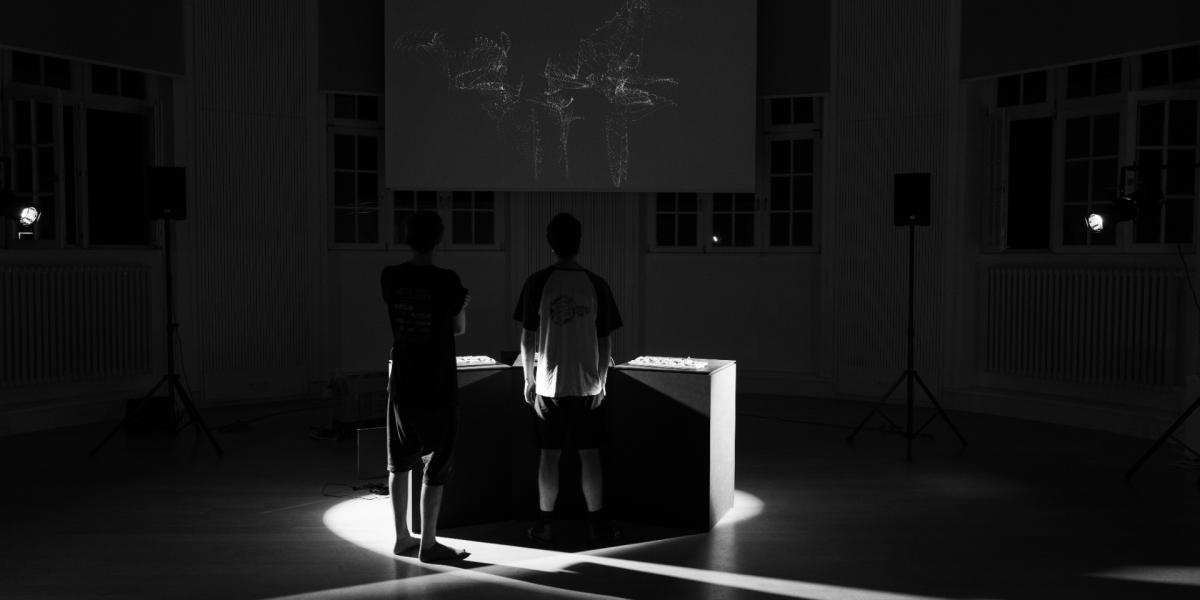
What does it take to prove you’re human when a machine can do almost everything you can? “I am [not] a Robot” is an independent intermedia design project by Maximilian Herzen, responding to the human verification systems we encounter every day.
Human or Artificial
The AI trend is in full swing. Progress is happening at a pace that’s hard to keep up with. The line between humans and machines is becoming increasingly blurred online. Online verification test are only effective for a short time, and with the steadily increasing progress in the fields of machine learning and artificial intelligence, tests to proving humanity are becoming increasingly complex. Bots’ capabilities are constantly evolving, and they are steadily improving at solving problems. In this newly ushered-in AI era, the question arises: how one is supposed to prove one’s own human identity in the digital space.
The Test
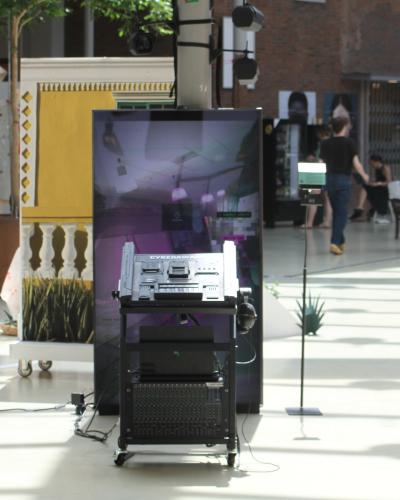
In the installation, the familiar online browsing experience is brought into the physical world. Just like when visiting any random website and suddenly being expected to prove that you are not a robot, participants are confronted with an annoying test — only this time, the challenge is the physical interface and the task is to prove one’s own existence through a conversation. What at first glance seems faulty is the exact experience through which the users provide the evidence confirming they are, in fact, a human being.
Corruption
CAPTCHAs were introduced as a way to tell humans and bots apart, but their role has gradually become more complicated. What looks like a simple security check can also turn human attention, time and behaviour into a source of data. Earlier versions asked people to decipher distorted text or identify objects in images — tasks that could simultaneously be used to digitise books, improve image-recognition systems and train machine-learning algorithms.
Today, verification can happen almost invisibly. And although those tests prove to be very little effective they are still being used for many websites. This raises an uncomfortable question: what exactly is being verified — and who benefits from the test?